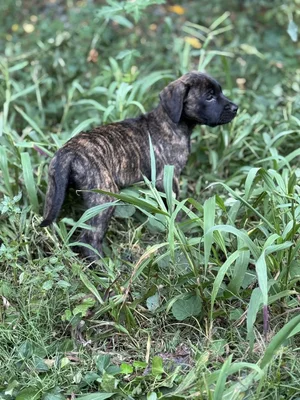
Hip & Joint Health in English Mastiffs: Building a Strong Foundation From Puppyhood
Understanding Growth, Mobility, and Lifelong Joint Care in One of the World's Largest Dog Breeds
Category: Mastiff Health & Longevity Series (Orthopedic Health)
Tags: English Mastiff, Hip Dysplasia, Joint Health, Giant Breed Dogs, Puppy Growth, Mobility, Orthopedic Health, Mastiff Learning Center
Estimated Reading Time: 15–18 Minutes
Last Updated: July 2026
Quick Answer
Healthy joints are essential to an English Mastiff's quality of life. Because the breed grows rapidly and reaches a substantial adult size, the hips, elbows, knees, shoulders, and spine experience significant stress throughout life.
While genetics play an important role in orthopedic health, responsible breeding, balanced nutrition, maintaining a healthy body condition, appropriate exercise, and routine veterinary care all contribute to supporting lifelong mobility.
No single decision guarantees healthy joints, but consistent care from puppyhood onward can help give your Mastiff the best possible foundation.
Why Joint Health Matters
English Mastiffs are built for strength, stability, and endurance—not speed.
As puppies mature, their bones, muscles, tendons, and ligaments must develop together while supporting an increasingly heavy body.
Unlike smaller breeds that reach maturity quickly, English Mastiffs continue developing for up to two years.
This extended growth period means owners should think about joint health from the day their puppy comes home—not only after signs of stiffness appear later in life.
Supporting healthy development early may have lasting benefits throughout adulthood.
How Puppies Grow
Growth is a carefully coordinated process.
Bones lengthen through specialized areas known as growth plates, which remain open during puppyhood before gradually closing as the dog matures.
During this time, puppies are naturally more vulnerable to injuries caused by excessive impact or repetitive stress.
Normal daily activity, exploration, and play are healthy and important.
However, repeated high-impact activities may place unnecessary strain on a growing giant breed.
MKA Pro Tip: Think of exercise as building an athlete—not testing one. Frequent walks, supervised play, and gradual conditioning are generally more beneficial than intense bursts of activity or repetitive high-impact exercise.
Common Orthopedic Conditions
Although many English Mastiffs remain active throughout their lives, owners should be familiar with orthopedic conditions that may occur within the breed.
These include:
Hip dysplasia
Elbow dysplasia
Cranial cruciate ligament injuries
Osteoarthritis
Soft tissue strains
Not every Mastiff will develop these conditions, and many factors—including genetics, body condition, age, injury, and overall health—can influence risk.
Routine veterinary evaluations help monitor mobility throughout life.
Maintaining a Healthy Body Condition
One of the most effective ways owners can support joint health is by maintaining an appropriate body weight.
Excess weight increases the workload placed on every joint.
Over time, carrying unnecessary weight may contribute to reduced mobility and increased discomfort.
Keeping your Mastiff lean does not mean keeping them underfed.
It means feeding to maintain a healthy body condition while avoiding unnecessary weight gain.
Exercise: Finding the Right Balance
Exercise is important for building muscle, maintaining flexibility, and supporting cardiovascular health.
The key is matching activity to your dog's age and physical development.
Puppies
Focus on:
Short walks
Gentle play
Exploring new environments
Confidence-building activities
Controlled movement
Adults
As your Mastiff matures, regular daily exercise helps maintain:
Muscle strength
Joint flexibility
Healthy body weight
Mental well-being
Consistency is usually more beneficial than occasional intense exercise sessions.
Recognizing Early Signs of Joint Problems
Many orthopedic conditions develop gradually.
Watch for changes such as:
Difficulty standing
Stiffness after resting
Reluctance to climb stairs
Reduced enthusiasm for walks
Limping
Changes in gait
Difficulty getting into vehicles
Reduced activity
These signs do not always indicate a serious condition, but they do warrant discussion with your veterinarian.
Early evaluation often provides more treatment options than waiting until mobility becomes severely affected.
The Role of Genetics
Genetics influence many aspects of orthopedic health.
Responsible breeders consider health history, pedigree information, temperament, and overall breeding goals when planning future generations.
Health screening programs can provide valuable information, but no screening program can eliminate every orthopedic condition or predict the future of every individual puppy.
Joint health is influenced by both inherited and environmental factors.
What About Supplements?
Joint supplements are widely available, and many owners wonder whether they should begin using them during puppyhood.
Current research suggests that supplementation should be considered on an individual basis rather than as a universal recommendation.
Some products are intended to support joint health or mobility, but they should complement—not replace—appropriate nutrition, weight management, and veterinary care.
Discuss supplementation with your veterinarian to determine what is appropriate for your dog's age and health status.
From Our Experience
At Mastiff Kennel of America, we've learned that healthy movement begins long before a dog reaches adulthood.
We emphasize controlled exercise, maintaining an appropriate body condition, and allowing puppies to mature at their own pace rather than encouraging rapid growth or excessive physical demands.
Every English Mastiff develops differently. Our goal has always been to support each dog's long-term comfort, soundness, and ability to enjoy an active life with its family.
Common Mistake
Many owners believe that because their young Mastiff is energetic, it can safely participate in unlimited high-impact activities.
Enthusiasm does not always reflect physical readiness.
Puppies often continue playing long after they become tired, making it important for owners to provide appropriate rest and avoid excessive repetitive exercise during periods of rapid growth.
Did You Know?
An English Mastiff may appear fully grown by its first birthday, but its musculoskeletal system continues developing well into its second year. This is one reason giant breeds require a different approach to exercise and conditioning than many smaller breeds.
Myth vs. Fact
Myth: Joint problems are simply an unavoidable part of owning a giant breed.
Fact: While some orthopedic conditions have a genetic component, maintaining a healthy weight, providing appropriate exercise, and seeking regular veterinary care can help support lifelong mobility and overall joint health.
Related Articles
Continue learning in the Mastiff Learning Center:
English Mastiff Health Guide: Helping Your Gentle Giant Live a Long, Healthy Life
Feeding Your English Mastiff: Nutrition From Puppy to Senior
Understanding Bloat (GDV): Symptoms, Prevention, and Emergency Response
The Complete English Mastiff Puppy Timeline
Understanding English Mastiff Temperament: Puppy vs. Adult Behavior
Coming Soon
Arthritis in English Mastiffs: Helping Your Dog Stay Comfortable
How Much Exercise Does an English Mastiff Need?
Supplements for English Mastiffs: What the Research Says
Senior English Mastiff Care
Final Thoughts
Healthy joints are built over time through thoughtful decisions made every day. While no owner can control every aspect of orthopedic health, providing balanced nutrition, maintaining a healthy body condition, encouraging appropriate exercise, and working closely with your veterinarian all contribute to helping your English Mastiff stay active and comfortable throughout life.
At Mastiff Kennel of America, we believe that mobility is one of the greatest gifts we can preserve in a giant breed. By supporting healthy development during puppyhood and continuing that care into adulthood and the senior years, owners can help their Mastiffs enjoy the activities that matter most—walking beside their families, exploring new places, and sharing everyday life with the people they love.